⚡">
Last One Standing • 6.706 km / 4.167 Miles Every Hour • Updated Oct 2026

16-Week Backyard Ultra Training Plan & Pace Table

The complete 16-week training schedule for your first or fastest Backyard Ultra. Built around back-to-back weekend runs, run/walk cadence conditioning, night-loop simulations, and hourly real-food gut training. Need to calculate your race-day calorie burn and 3-phase camp menu? Open our Backyard Ultra Pace & Fueling Calculator.

Interactive Schedule + Static Reference Tables: Configure your target yards below or jump to the Pace Per Km Table.

Configure Your 16-Week Backyard Ultra Plan

Calibrates hourly yard target, back-to-back long runs, and camp recovery windows.

1 Yard = 6.7056 km (4.1667 miles) completed every 60 minutes.

Your Training Days 4 of 4 selected

Calculates 16 training weeks backward from race morning.

Duration

16 Weeks

Yard Accumulation
Peak Volume

82 km/wk

+ Back-to-Back Weekends
Hourly Fuel

45–60g / hr

Real Food + Electrolytes

Prescribed Yard Execution Paces (per km)

Yard Pace (Target) 7:09 - 7:36 48–51 min loop
Recovery Window 9 - 12 Mins Corral buffer
Midweek Aerobic 5:45 - 6:15 Pure Zone 2
Hill / Power Hike 8:30 - 9:30 Heart rate cap 135

16-Week Ultra Volume Profile – click a bar to inspect week

Aerobic Base Yard Simulations Peak Overload Taper

Week 1

45 km total

Base Volume Re-entry: Establish aerobic cadence with controlled easy volume and light strides.

Educational sports training guide, not medical advice. Never race the clock on a yard—finish with 9–12 minutes in the corral every hour.

6.7056 km / 4.1667 Mile Yard Reference

What Pace for a Backyard Ultra? (Pace Per Km & Mile Table)

Each hourly yard is 6.706 km (4.167 miles). Running faster than 45 minutes wastes glycogen; running slower than 54 minutes leaves no time to eat or change socks. Lock in the 7:09 to 7:36 /km sweet spot:

Open Interactive Loop & Fuel Calculator →
Loop Duration Pace Per Km Pace Per Mile Chair Rest / Hr Run / Walk Strategy & Training Use
42:00 6:16 /km 10:05 /mi 18 mins Too fast for Yards 1–12: burns glycogen & causes chair shivering
45:00 6:43 /km 10:48 /mi 15 mins Hot-lap utility only: use once every 6 hours before a full shoe/kit change
48:00 7:09 /km 11:31 /mi 12 mins Optimal Daylight Pace: 4 min jog (6:40/km) + 1 min walk (9:05/km)
50:00 7:27 /km 12:00 /mi 10 mins Gold-Standard 24h Pace: hike all inclines, relaxed shuffle on flats
52:00 7:45 /km 12:29 /mi 8 mins Overnight Survival Pace (Yards 13–24+): preserves quads & core warmth
55:00 8:12 /km 13:12 /mi 5 mins Danger zone: only 2 minutes in chair before the 3-minute whistle
60:00 8:57 /km 14:24 /mi 0 mins Elimination Cutoff: must cross line and re-enter corral before 60:00
16-Week Periodized Blueprint

16-Week Backyard Ultra Training Schedule (Week-by-Week)

Default 4-day intermediate schedule targeting 18–24+ yards (75–100 miles). Features three dedicated Driveway Loop Simulation Days (Weeks 4, 8, and 12) and back-to-back weekend endurance blocks.

homemade energy gel
Weeks Phase Weekly Volume Saturday Primary Run Sunday Back-to-Back Specific Backyard Drill
Weeks 1–3 Aerobic Base 45 → 56 km 18–22 km @ 7:15/km run/walk 12–15 km easy on tired legs Practice 4m jog / 1m walk from km 1
Week 4 Yard Sim #1 50 km (Deload) 4 Yards On-The-Hour (26.8 km) 8 km recovery walk/jog 50m loops + 10m camp chair turnaround
Weeks 5–7 Fatigue Build 60 → 72 km 24–28 km trail/road w/ power hikes 16–20 km back-to-back Z2 Eat solid food (potatoes, rice cakes) mid-run
Week 8 Yard Sim #2 64 km 6 Yards On-The-Hour (40.2 km) Rest & blister audit Test shoe/sock swap at Yard 4 + 50g carbs/hr
Weeks 9–11 Peak Volume 75 → 84 km 28–32 km slow aerobic shuffle 20–24 km tired-leg durability Include 1 midweek 9 PM headtorch run
Week 12 Night Sim #3 82 km Peak 7–8 Yards Dusk-to-Midnight (53.6 km) Total rest & recovery Start 5 PM: rehearse night layers, broth & headlamp
Weeks 13–14 Specificity 68 → 54 km 22 km → 18 km @ 7:25/km 14 km → 12 km easy Finalize camp crate organization & crew sheet
Weeks 15–16 Taper & Race 36 km → Race Wk 15: 2 Yards dress rehearsal 🏆 Backyard Ultra Race Day 7-day caffeine taper + sleep banking

How to Train for Your First Backyard Ultra: 3 Core Rules

Why traditional marathon speedwork fails in Last One Standing formats—and how to build 24-hour durability.

Rule 1 • Pacing 48–51 Mins

Walk Early, Walk Every Hill

First-timers make the mistake of running Yards 1 to 6 at their normal 5:30/km (37-minute) road pace. That spikes lactate, depletes muscle glycogen, and leaves you sitting cold in camp for 23 minutes. Walk every incline from Yard 1 and lock into a 48–51 minute loop rhythm.

Rule 2 • Weekends Back-to-Back

Stop-Start Quad Conditioning

The hardest physical sensation in a Backyard Ultra is standing up from your camp chair when your tendons and quads have stiffened during the 10-minute break. Monthly "Driveway Loop" simulations (4 to 8 yards on the hour from home) condition your legs and mind for the bell.

Rule 3 • Nutrition Savory + Sweet

Preventing Sweet Palate Fatigue

You cannot survive 15+ hours on sweet gels alone. Use our Backyard Ultra Fueling Guide to rotate between 1:0.8 soft flasks, salted baby potatoes, rice cakes, and hot overnight noodle broths.
⚡ Ultra-Cushion & Swelling Rotation

The Backyard Ultra 4-Shoe Quiver

Rigid carbon racers bottom out and smash toenails after 8 hours. A successful 24-hour campaign requires max-cushion hybrids, foot-swelling width, and joint-protective rockers.

Open Shoe Matcher →
⛺ Base Camp & Night Armory

Last One Standing Survival Kit

Field-tested hardware designed for continuous 24-hour loops, camp chair turnarounds, and dark trail yards.

Affiliate Picks
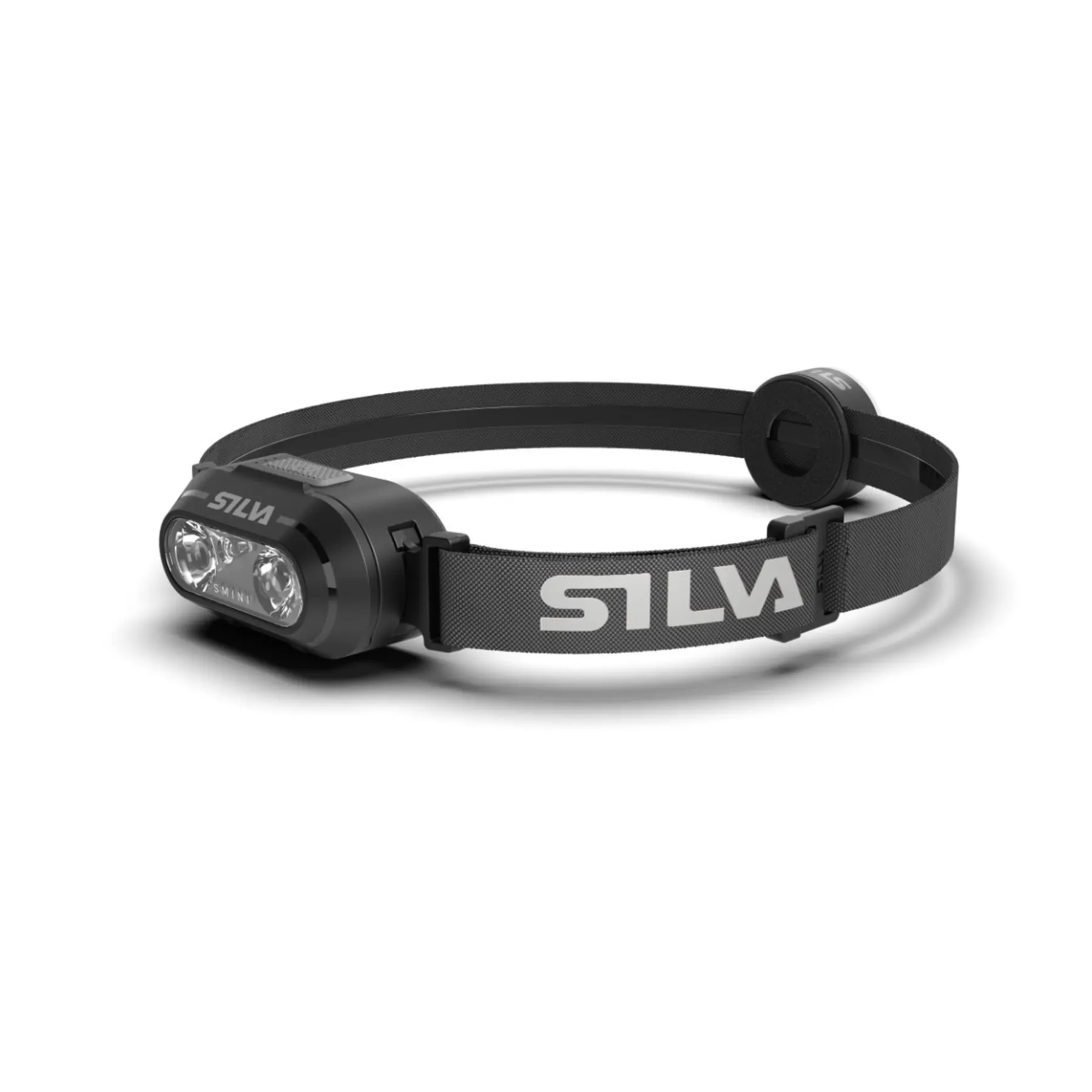
High-Lumen Trail Running Headlamp
All-Night Vision Yards 12–20

Rechargeable Trail Headlamp

Wide reactive beam illuminates roots and trail ruts on pitch-black night yards without heavy bounce on your forehead.

View Headlamps →
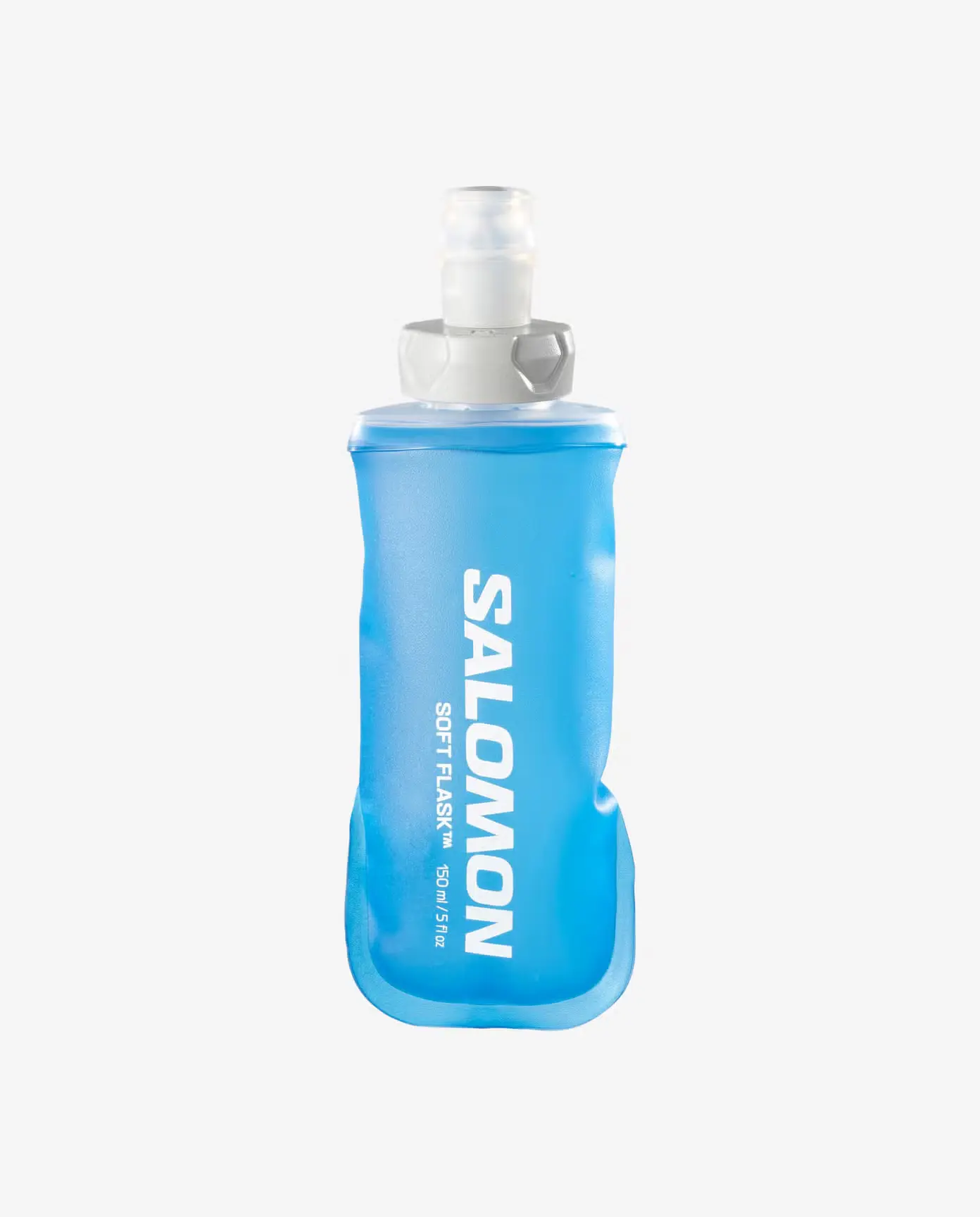
Salomon 150ml Soft Flask
Yard Hydration Handheld / Pocket

Salomon Soft Flask (150ml)

Compact compressible flask fits flat inside waistbands or palms. Ideal for carrying electrolyte gel mixes on each 4.167-mile loop.

Check Amazon 🛒
Anti-Blister Running Socks
Zero-Blister Knit Swap Every 4 Yards

Technical Anti-Blister Socks

Friction-dampening double-layer knit. Pack 4 clean pairs in your camp kit to swap whenever dew or mud saturates your toe boxes.

View Socks →
SaltStick FastChews Electrolytes
Cramp Defense Every Loop

SaltStick FastChews

Rapid mucosal absorption electrolyte tablets. Keeps sodium concentration balanced when stomach nausea rejects liquid drinks after 12 hours.

Check Amazon 🛒

Affiliate Disclosure: When you purchase gear through our links, we may earn an affiliate commission at no additional cost to you.